A Beginner’s Guide to Stretching at Home for Flexibility and Relaxation
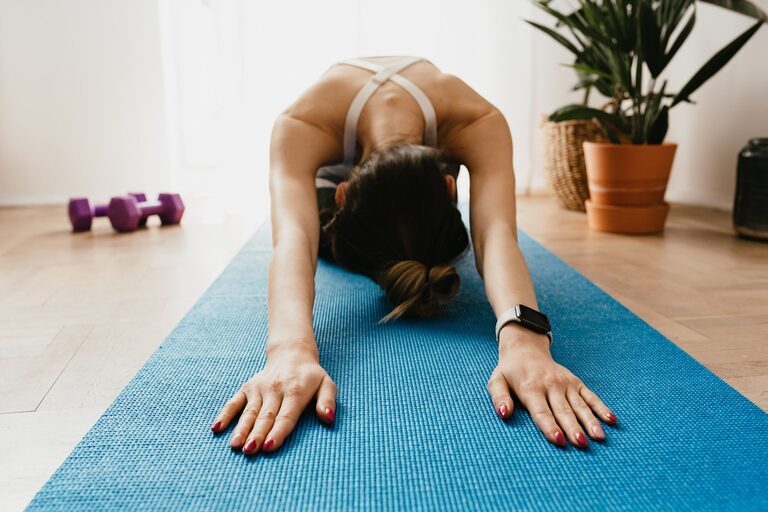
Stretching is a simple, effective way to improve your flexibility, relieve muscle tension, and enhance your overall well-being. You don’t need special equipment or a gym membership to start stretching — just a little space and some time at home. This beginner’s guide will walk you through the basics of stretching, explain its benefits, and provide easy routines to get you started safely.
Why Stretching Matters
Stretching regularly offers many benefits:
– Improves Flexibility: Helps joints move freely and muscles lengthen, making daily activities easier.
– Enhances Blood Circulation: Stretching increases blood flow to muscles, aiding recovery and reducing soreness.
– Reduces Stress: Gentle stretching releases tension and can be calming for both the body and mind.
– Prevents Injury: Stretching prepares your muscles for activity and decreases the risk of strains.
– Supports Posture: Stretching tight muscles can help correct imbalances and improve your posture.
No matter your age or fitness level, stretching is a great addition to your routine.
Getting Started: Tips for Safe Stretching at Home
Before you begin stretching, keep these tips in mind:
– Warm Up First: Stretching cold muscles can cause injury. Try a 5-minute warm-up like walking or marching in place.
– Stretch Both Sides: Always stretch both the left and right sides of your body for balance.
– Hold, Don’t Bounce: Hold each stretch gently for 15-30 seconds without bouncing to avoid muscle strain.
– Breathe Naturally: Take deep breaths while stretching to help muscles relax.
– Listen to Your Body: You should feel a gentle pull, not pain. Stop if you experience sharp pain or discomfort.
– Be Consistent: Aim to stretch at least 3-4 times per week for the best results.
Basic Stretching Routine for Beginners
Here’s a simple, full-body routine you can do in about 10-15 minutes:
Neck Stretch
– Sit or stand tall.
– Slowly tilt your head toward your right shoulder until you feel a gentle stretch on the left side.
– Hold for 20 seconds, then switch sides.
Shoulder Rolls
– Stand or sit with your spine straight.
– Roll your shoulders backward in a circular motion 10 times.
– Then roll them forward 10 times.
Arm and Triceps Stretch
– Reach your right arm overhead and bend the elbow, touching your upper back.
– Use your left hand to gently push your right elbow downward.
– Hold for 20 seconds, then switch arms.
Chest Stretch
– Stand facing a wall or door frame.
– Place your right palm on the surface at shoulder height.
– Slowly turn your body left, feeling a stretch across your chest.
– Hold for 20 seconds and switch sides.
Side Stretch
– Stand with feet hip-width apart.
– Raise your right arm overhead and lean gently to the left.
– Hold for 20 seconds, then switch sides.
Hamstring Stretch
– Sit on the floor with your legs extended straight.
– Keeping your back straight, reach toward your toes until you feel a stretch in the back of your legs.
– Hold for 30 seconds.
Quadriceps Stretch
– Stand and hold onto a chair or wall for balance.
– Bend your right knee, bringing your heel toward your buttocks.
– Hold your right ankle with your right hand and gently pull.
– Hold for 20 seconds, then switch legs.
Calf Stretch
– Stand facing a wall with one foot forward and one foot back.
– Keep your back leg straight and press your heel into the floor.
– Lean into the wall until you feel a stretch in your calf.
– Hold for 20 seconds, then switch legs.
Tips to Make Stretching a Habit
– Schedule It: Set a specific time each day or week for stretching.
– Create a Comfortable Space: Use a yoga mat or soft surface.
– Use Online Videos: Follow beginner-friendly stretching tutorials.
– Combine Stretching with Other Activities: Stretch after workouts or during breaks.
– Track Your Progress: Notice improvements in flexibility or reduced stiffness.
When to See a Professional
If you have existing health conditions, injuries, or severe pain during stretching, consult a healthcare or fitness professional for personalized guidance.
Final Thoughts
Stretching at home is a low-cost, accessible way to boost your physical and mental health. Starting with gentle, consistent stretches can improve your flexibility, reduce tension, and help you feel more relaxed throughout the day. Remember to listen to your body and enjoy the process. Happy stretching!