
Beginner Guide to Mindful Walking: Step Into Calm and Awareness
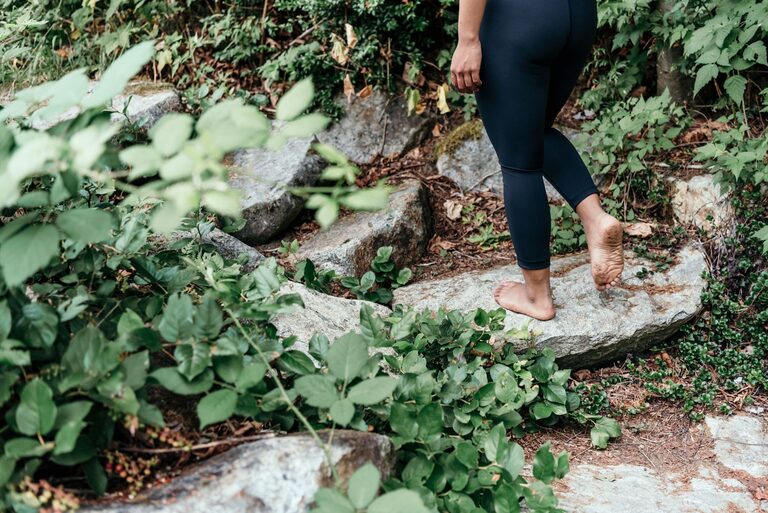
Mindful walking is a gentle and accessible way to bring more awareness and calm into your daily life. Unlike rushing through your walks or simply moving from point A to B, mindful walking invites you to slow down and fully experience each step. This practice combines the benefits of physical activity with mindfulness meditation, helping you reduce stress, increase focus, and connect with your surroundings.
If you’re new to mindful walking, this beginner’s guide will walk you through what it is, why it matters, and how to get started with simple techniques.
What Is Mindful Walking?
Mindful walking is the act of paying full attention to the experience of walking. It involves noticing the sensations in your body, the movement of your feet, the rhythm of your breath, and the environment around you without judgment.
Unlike multitasking or walking on autopilot, mindful walking encourages you to slow down and immerse yourself in the present moment. It’s a form of meditation in motion that can be practiced anywhere—from your neighborhood sidewalk to a quiet park trail.
Benefits of Mindful Walking
Mindful walking offers both mental and physical benefits:
– Reduces Stress: By focusing on the present moment, it helps quiet the mind and decrease anxiety.
– Improves Concentration: Regular practice can sharpen your ability to concentrate and stay focused.
– Enhances Physical Health: Walking improves cardiovascular health, and being mindful can improve posture and balance.
– Boosts Mood: Mindful walking can increase feelings of happiness and relaxation.
– Connects You to Nature: When done outdoors, it fosters a deeper appreciation for your surroundings.
Getting Started: Preparation
Before you begin, here are a few tips to set yourself up for a mindful walking session:
- **Choose Your Path**
Select a safe and comfortable place where you can walk undisturbed. This could be a quiet street, park, garden, or even inside your home.
- **Wear Comfortable Clothing and Shoes**
Opt for clothing and shoes that allow natural movement and won’t distract you.
- **Set Aside Time**
Start with five to ten minutes. You can increase the duration as you feel more comfortable.
- **Silence Your Phone**
Turn off notifications or put your phone on airplane mode to minimize distractions.
Step-by-Step Guide to Mindful Walking
Here’s a simple process to follow for your mindful walking practice:
1. Stand Still and Ground Yourself
Begin by standing still. Feel your feet firmly planted on the ground. Take a few deep breaths—inhale slowly through your nose and exhale through your mouth. Notice any tension in your body and gently relax.
2. Set an Intention
Before you start walking, set a gentle intention. It could be as simple as “I will be present with each step” or “I will notice the sensations in my body.”
3. Start Walking Slowly
Begin to walk at a slower pace than usual. Pay attention to each movement involved in walking: lifting your foot, moving it forward, and placing it down.
4. Focus on Sensations
Tune into the sensations of your feet touching the ground. Notice how your heel strikes the earth, how your weight shifts, and how your toes push off.
5. Coordinate with Your Breath
You can sync your breath with your steps, for example, inhaling for three steps and exhaling for three steps. This helps maintain focus and creates a rhythmic flow.
6. Observe Your Surroundings
Gently lift your awareness to your surroundings without overthinking. Notice the colors, shapes, sounds, smells, and textures. Take in the environment with an open, curious mind.
7. Handle Distracting Thoughts
It’s normal for your mind to wander. When you notice distracting thoughts, gently bring your attention back to your walking and breathing without judgment.
8. End Mindfully
When you’re ready to finish, come to a gentle stop. Stand still again and take a few deep breaths, noticing how you feel. Carry this sense of calm with you as you continue your day.
Tips for a Successful Mindful Walking Practice
– Be Patient: Mindfulness is a skill that grows with practice. Don’t be discouraged if your mind wanders often at first.
– Practice Regularly: Even short daily sessions can make a big difference.
– Try Different Environments: Explore mindful walking indoors, in nature, or urban settings to see what feels best.
– Use Guided Walks: Apps or online videos with guided mindful walking can be helpful for beginners.
– Combine with Other Mindfulness Practices: Try mindful breathing or body scans to deepen your mindfulness skills.
Common Questions About Mindful Walking
Do I need to walk a certain distance or speed?
No. The focus is on quality, not quantity. Walk at a comfortable, slower pace to help you stay present.
Can I practice mindful walking while walking my dog or running errands?
Yes! Mindfulness can be layered into everyday activities. Be aware of your steps and sensations even during routine walks.
What if I feel self-conscious practicing mindful walking in public?
Remember, mindful walking is a personal experience and doesn’t require any special movements. Most people are focused on their own activities and will not notice.
Conclusion
Mindful walking is a simple yet powerful way to cultivate calm and awareness in your daily life. By slowing down and focusing on the present moment, you can improve your mental clarity, reduce stress, and enjoy even the most ordinary walks in a new light.
Try incorporating mindful walking into your routine and see how it transforms your connection with yourself and the world around you—one step at a time. Happy walking!