
How to Plan Meals Using Pantry Staples for Easy, Delicious Cooking
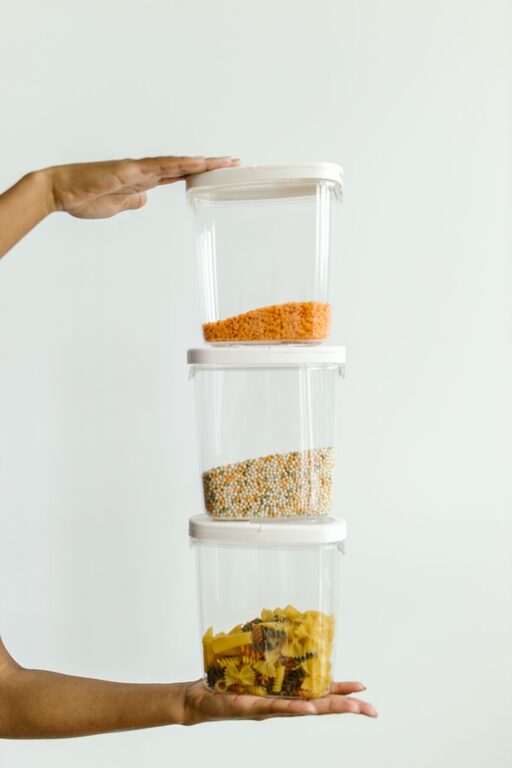
When life gets busy, planning meals from pantry staples can be a real lifesaver. Whether you’re running low on fresh ingredients or looking to reduce trips to the grocery store, knowing how to make the most of what you already have on hand is both practical and rewarding. In this post, we’ll walk through how to organize your pantry, plan meals effectively, and transform basic ingredients into tasty, satisfying dishes.
Why Use Pantry Staples?
Pantry staples are non-perishable items you usually keep on hand, like canned goods, dried grains, pasta, beans, spices, and oils. These ingredients form the backbone of many meals and can help:
– Save money by using what you have
– Reduce food waste by preventing spoilage
– Speed up meal prep on busy days
– Encourage creativity in the kitchen
Step 1: Take Inventory of Your Pantry
Before planning meals, it’s important to know exactly what you have.
How to Take Inventory
– Clear a space: Pull out all items from your pantry or a section of it.
– Group similar items: Organize by type—canned vegetables, grains, spices, baking ingredients, etc.
– Make a list: Write down everything, including quantities.
– Check expiration dates: Note anything that needs to be used soon.
– Store items neatly: Arrange your pantry so it’s easy to spot what you need.
This inventory serves as the foundation for meal planning.
Step 2: Think About Meal Types and What You Can Make
Look at your list and consider what kinds of meals these ingredients can become.
Common Pantry Staples and Meal Ideas
– Canned beans and lentils: chili, soups, salads, veggie burgers
– Pasta and rice: casseroles, stir-fries, pasta dishes
– Canned tomatoes and sauces: pasta sauce, stews, shakshuka
– Canned tuna or salmon: sandwiches, salads, pasta
– Grains like quinoa or couscous: grain bowls, side dishes
– Broth or stock: soups, risotto, cooking grains
Having these ideas in mind makes meal planning quicker.
Step 3: Plan Balanced Meals Around Your Staples
Try to include protein, carbohydrates, and vegetables (fresh, frozen, or canned) for balanced nutrition.
Sample Pantry-Based Meal Plan
– Day 1: Lentil soup with canned lentils, broth, canned tomatoes, and frozen spinach
– Day 2: Tuna pasta salad with canned tuna, pasta, canned corn, and olive oil dressing
– Day 3: Chickpea curry using canned chickpeas, canned coconut milk, and spices
– Day 4: Rice and beans with canned black beans, rice, and salsa
– Day 5: Tomato and basil pasta with canned tomatoes, pasta, and dried herbs
This approach mixes flavors and textures while relying mostly on pantry ingredients.
Step 4: Supplement with Fresh or Frozen Items
While pantry staples can be the base, adding fresh or frozen produce enhances flavor and nutrition.
Tips for adding fresh/frozen items:
– Use frozen vegetables like peas, corn, or broccoli—they last longer and are easy to keep stocked.
– Buy versatile fresh items like onions, garlic, and lemons to brighten dishes.
– Keep herbs on hand—fresh or dried—to add aroma and taste.
Step 5: Keep Your Pantry Ready for Future Cooking
To make future meal planning even easier, keep your pantry stocked with essentials.
Pantry Essentials Checklist
– Canned beans and lentils
– Pasta, rice, and other grains
– Canned tomatoes and tomato paste
– Broth or stock (canned or boxed)
– Cooking oils (olive oil, vegetable oil)
– Basic spices (salt, pepper, cumin, chili powder, oregano)
– Baking essentials (flour, sugar, baking powder)
– Canned fish (tuna, salmon)
– Nut butters and nuts
Rotate your stock to avoid expired items and replenish staples as needed.
Bonus Tips for Successful Pantry Meal Planning
– Meal prep when you can: cook large batches and freeze portions.
– Use online resources: many recipe websites allow you to search by ingredients you have.
– Plan for variety: experiment with different spices and combinations to keep meals interesting.
– Keep a running shopping list: add pantry staples as they run low.
– Label leftovers and pantry items: keep things organized and easy to find.
Conclusion
Planning meals from pantry staples doesn’t have to be complicated. With a clear inventory, a bit of creativity, and some basic strategies, you can whip up delicious, balanced meals using ingredients you already have. This approach saves time, reduces stress, and helps you eat well on any budget. Start today by organizing your pantry and experimenting with some of these meal ideas!